

Laser Engraved Glassware Applications & Use Cases
Introduction of Laser Engraved Glassware
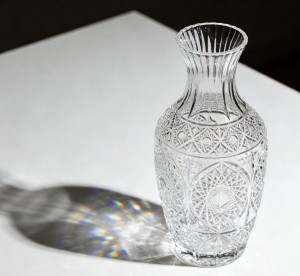
Glassware
What’s Laser Engraved Glassware?
Laser engraving on glassware is a popular customization technique, typically using a CO₂ laser to etch patterns, logos, or text onto various glass items such as wine glasses, beer mugs, and bottles, creating a permanent frosted effect.
The process often involves a rotary attachment for curved surfaces and techniques like applying a damp paper towel to achieve crisp, white results, making it widely used for personalized gifts and brand promotion.
Why Laser Engraved Glassware is a Growing Market?
The laser-engraved glassware market is expanding, driven by demand for personalized items and advances in laser technology that enhance speed, precision, and cost. This enables businesses of all sizes to apply it in areas ranging from custom gifts to architectural decor.
Supported by automation and brand differentiation needs, laser engraving produces durable, intricate designs beyond traditional printing, opening profitable opportunities across the market.
Common Types of Glassware
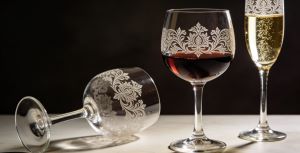
①Laser Engraved Wine Glasses
Elegantly curved and commonly made of clear glass, these are ideal for laser engraving logos, monograms, or patterns on the bowl or stem.
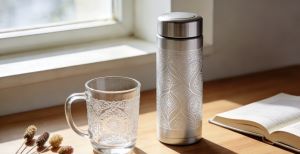
②Etched Glass Mugs & Tumblers
Featuring a cylindrical shape and flat surface, they offer ample space for clear, wrap-around designs, making them perfect for custom text and images.
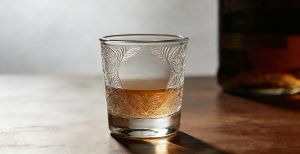
③Laser Etched Shot Glasses
Small, smooth, and cylindrical, shot glasses provide a compact surface suited for small logos, numbers, or short inscriptions.
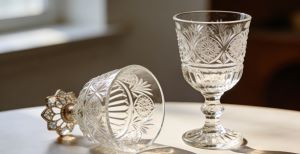
④Engraved Glass Cups
Often straight-walled and uniformly thick, these are reliable for detailed engraving and personalized decorative work.
Applications & Use Cases of Laser Engraved Glassware
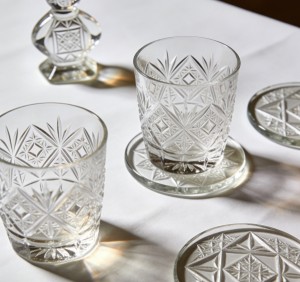
Personalized Gifts & Keepsakes
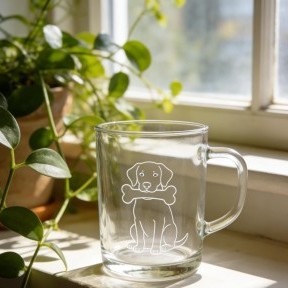
Laser engraved wine glasses and mugs turn everyday items into meaningful gifts. Names, dates, or messages are etched permanently, creating cherished keepsakes for any occasion.
Corporate Branding & Promotional Merchandise
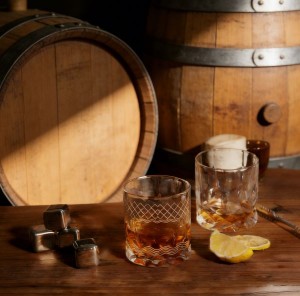
Laser engraved glasses and shot glasses offer crisp, professional branding. They serve as durable promotional products that enhance visibility and leave a lasting impression.
Wedding & Special Event Souvenirs
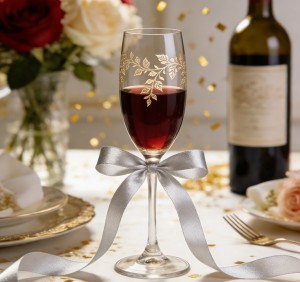
Custom laser engraved wine glasses and flutes make elegant wedding or event favors. Etched with names and dates, they become memorable souvenirs for guests.
Why Choose Laser Engraving for Glassware?
Precision for Complex Designs
Laser engraving captures intricate details—from fine text to detailed graphics—with consistent accuracy that traditional methods cannot match, perfect for custom logos and artistic patterns.
Permanent & Dishwasher-Safe
The engraving penetrates the surface, creating marks that won’t fade, peel, or wash off, even after repeated dishwasher use, ensuring longevity for everyday items like mugs and wine glasses.
Flexible from Prototype to Production
Go from a single custom piece to high-volume orders without changing tools or setups. Ideal for personalized gifts, promotional batches, and everything in between.
Cost-Efficient & Time-Saving
Reduce material waste, skip consumables like inks or stencils, and minimize manual labor. Faster turnaround and consistent results mean higher productivity and lower cost per piece over time.
Not Sure How To Start Your Laser Engraved Glassware?
Contact our team for guidance and ideas
See these ideas in action. The videos below show how laser engraved glassware is made—from design to finished piece.
Related Videos:
Choosing the Right Machine
The first step in any successful laser engraving project is selecting the right laser engraver for the job, as the machine's type, power, and work area directly determine the quality, efficiency, and feasibility of your designs on different glassware.
Glass Engraving Machine | How to Choose (3 Simple Steps)
This video provides a clear, three-step guide to selecting the ideal glass engraving machine—covering key factors like laser type, power, and work area—making it an essential resource for anyone looking to start or grow a laser engraving business.
Galvo Laser Machine - The Secret to High-Speed Engraving
Now that you know how to choose a laser engraver, discover Galvo laser technology—a high-speed system that boosts productivity beyond traditional flatbed machines. Watch the video below to explore how it works and how it can transform your glass engraving business.
This video reveals how Galvo lasers work. We'll cover their galvanometer-based naming, types like CO₂ and fiber lasers, and how their fast mirror system enables high-speed engraving. You'll also learn about features like auto-focus and how this tech boosts productivity and automation in manufacturing.
Recommended Laser Engraved Glassware Machines
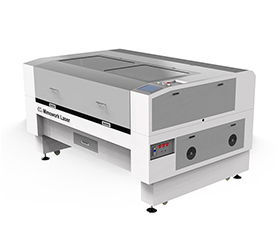
• Laser Source: CO2 laser
• Laser Power: 50W/65W/80W
• Customized Working Area
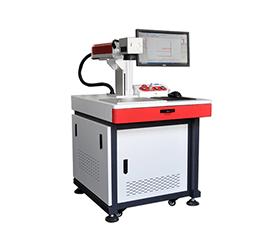
• Cold processing with few heat affected zone
• Suitable for precise laser marking
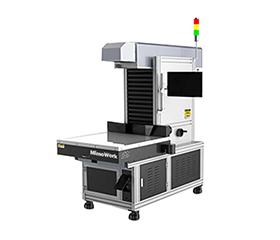
• Laser Power: 180W/250W/500W
• Working Area: 400mm * 400mm (15.7” * 15.7”)
Step-by-Step Guide to Safe Operation
①Machine Setup & Workspace Safety
Site and Environment Inspection:
Place the laser engraver on a stable, level surface. Ensure the surrounding area is free of clutter, flammable materials, and provides ample space for heat dissipation and operation.
Safety Device Verification:
Before powering on, check that all safety interlock mechanisms, emergency stop buttons, and door sensors are functioning correctly.
Ventilation System:
Activate and confirm that the exhaust system is operating effectively to remove smoke and particles generated during engraving. Consider connecting additional air assist or filtration units based on your equipment type.
Personal Protective Equipment:
Before operation, ensure you are wearing the necessary PPE, including:
Safety Goggles: Specifically designed for the laser wavelength in use (e.g., 10.6µm for CO₂ lasers).
Respiratory Protection: Wear an N95 or higher-rated particulate respirator to prevent inhalation of fine glass dust.
②Material Preparation: Cleaning & Fixturing Glass
Thorough Cleaning:
Carefully wipe the glass surface to be engraved with isopropyl alcohol and a lint-free cloth to remove all fingerprints, oils, and dust, ensuring the work area is completely clean.
Selecting Appropriate Fixtures:
For flat-bottomed items like glass cups or plates, use non-reflective, heat-resistant dedicated clamps or a honeycomb bed.
For curved items like wine glasses or mugs, a rotary attachment is essential to ensure uniform, stable rotation during engraving for a consistent result.
Calibration:
Use a focus tool to precisely adjust the distance between the laser head and the glass surface, ensuring the laser focal point is correctly positioned.
③Parameter Selection: Power, Speed & Frequency
Understanding Parameters:
Power: Determines engraving depth and intensity. Excessive power can cause glass to crack.
Speed: The movement speed of the laser head. Slower speeds accumulate more energy, resulting in deeper engraving.
Frequency : Pulses per inch. Higher frequencies are suitable for fine, smooth frosted effects; lower frequencies create deeper, higher-contrast lines.
Test First:
For new types of glass, always begin testing with lower power and higher speed, then fine-tune parameters incrementally based on the result.
Adjust for Effect:
Always conduct a small test engraving in an inconspicuous area of the glass to verify parameter effectiveness and check for any cracking.
④Running the Job & Post-Processing Tips
Process Monitoring:
After starting the engraving job, observe the process closely, especially during the initial phase. Watch for unusual sparking, excessive smoke, or sounds of glass cracking.
Natural Cooling:
Once engraving is complete, do not touch the engraved area immediately. Allow the glass to cool down naturally to room temperature inside the machine or in a safe location.
Cleaning and Finishing:
After cooling, gently clean the engraved surface with a soft, damp cloth or a soft brush to remove loose dust and residue. For deep engravings, rinsing with water is acceptable.
Result Inspection and Documentation:
Inspect the finished piece for uniformity and clarity. Document the successful parameter set for this glass type to build a process library for future projects.
FAQs
To prepare glass for laser engraving, clean it thoroughly with glass cleaner or alcohol, then apply an even layer of damp paper, soap, or black paint. This coating absorbs heat to prevent cracking and helps create a clear, frosted finish—especially with CO₂ lasers—while improving contrast with diode lasers.
Yes.You can confidently wash etched glassware in a dishwasher—whether it’s treated with Armour Etch, Etch Bath, or similar etching creams—just as you would with any ordinary glass item, with no need for special handling.
Each laser type is designed for different glass engraving needs, depending on your application and production style:
Galvo lasers are commonly used for fast engraving of small logos, text, and consistent patterns on glassware.
CO₂ flatbed lasers are suitable for handling larger designs, varied glass sizes, or engraving multiple items in one setup.
UV lasers are often chosen for fine-detail work, internal 3D engraving, and applications involving heat-sensitive glass.
These three laser machines are designed for different application needs. For detailed recommendations based on your specific project, our sales team can provide tailored guidance.
To enhance the visual impact of laser engravings on glass, you can apply a pigmented coating before etching to produce bold contrast, work on the reverse side of mirrored glass with backlighting for a luminous effect, or incorporate design elements such as heavier strokes and intentional negative space. For improved results, adjust laser parameters while using a damp cloth to control heat diffusion and achieve a pronounced frosted finish.
Laser engraving and etching serve different purposes. Engraving vaporizes material to create deep, durable marks ideal for permanent applications. Etching melts the surface, providing faster, high-contrast results perfect for visual impact. Choose engraving for longevity, etching for speed and aesthetics.
Yes.Wearing a mask during glass engraving is essential for safety, no matter which technique you use—whether rotary engraving, laser etching, or sandblasting. Harmful glass dust and fumes can be released during the process, so we recommend at least an N95 respirator for dust filtration. When laser engraving, additional ventilation or a specialized fume mask is advisable. Don't forget to also wear safety goggles, as glass particles can easily become airborne and pose risks to both your lungs and eyes.
Conclusion
From personalized gifts to professional branded products, the allure of laser glass engraving lies in its boundless creativity and professional presentation. The foundation of all this is precision equipment that matches your needs. We hope this guide has helped clarify your direction and find a solution that balances effect with efficiency. Mimowork is committed to being both your reliable equipment supplier and your technical support on the creative journey, helping you perfectly imprint every idea onto glass.
Ready To Create Your Own Laser Glassware Projects?
Explore More Laser Engraved Ideas, Materials, and Machine Solutions to Bring Your Holiday Designs to Life.
Planning To Produce Glassware Laser Products In Batches?
Talk to Our Laser Experts and Find The Right Solution for Your Glassware Production.
Post time: Jan-09-2026