
Laser Cutting Acetate Fabric
What is Acetate Fabric?
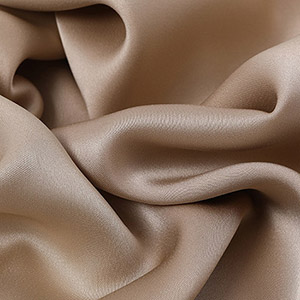
Acetate fabric is a luxurious semi-synthetic material known for its silky texture and elegant drape. Derived from cellulose acetate, it combines the breathability of natural fibers with the durability of synthetics.
Acetate in fabric is often used in formal wear, linings, and home décor due to its lightweight, color-rich finish, and resistance to wrinkles.
While less absorbent than cotton, it offers a cost-effective alternative to silk with a similar sheen.
Acetate Fabric
Acetate Features
Material Properties
High Sheen – Smooth surface with a luxurious silk-like luster.
Lightweight & Soft – Drapes beautifully, ideal for flowy garments.
Wrinkle-Resistant – More resistant to wrinkles than natural fibers but less durable than polyester.
Advantages
Vibrant Colors – Takes dye well, perfect for bold prints and bright hues.
Breathable – More comfortable than synthetic fabrics like polyester.
Anti-Static – Resists dust, making it great for linings and dresses.
Disadvantages
Heat-Sensitive – Requires low-temperature ironing to avoid melting.
Weak When Wet – Loses strength when damp; hand wash recommended.
Low Durability – Prone to pilling and wear over time.
History and Innovations
Types
Standard – Silk-like, for linings/dresses
Triacetate – Heat-resistant, holds pleats
Matte – Non-shiny, modern suits
Stretch – With elastane, form-fitting wear
Metallic – Glamorous eveningwear
Eco – Recycled/FSC-certified, sustainable
Flame-Retardant – Protective/safety uses
Future Trends
Eco-Upgrades
Bio-based materials (algae/bamboo)
Chemical recycling & biodegradable options
Smart Textiles
Self-cleaning/anti-microbial coatings
Color-changing & temperature-responsive tech
Circular Fashion
Closed-loop production
3D-printed custom designs
Historical Background
1904 – Invented as a flame-resistant varnish
1920s – Commercialized as "Celanese" (silk alternative)
1930s-50s – Popular in Hollywood fashion
Material Comparison
| Property | Acetate | Silk | Polyester | Triacetate |
|---|---|---|---|---|
| Raw Material | Wood Pulp Cellulose | Silk Protein | Petroleum-based | Refined Wood Pulp |
| Luster | Pearlescent Sheen | Natural Soft Glow | Synthetic Shine | Satin Finish |
| Breathability | Good | Excellent | Poor | Very Good |
| Wrinkle Resistance | Moderate | Prone to Wrinkles | Excellent | Excellent |
| Moisture Absorption | 6-7% | 11% | 0.4% | 4.5% |
| Heat Sensitivity | Melts at 160°C | Yellows at 148°C | Melts at 260°C | Heat-resistant to 300°C |
| Eco-Friendliness | Biodegradable | Naturally Degradable | Non-biodegradable | Partially Recyclable |
Acetate Applications
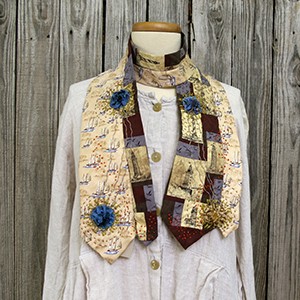
Fashion & Apparel
Luxury Linings (jackets, coats, handbags)
Eveningwear (dresses, skirts with elegant drape)
Neckties & Scarves (vibrant prints, smooth texture)
Lingerie (lightweight, breathable layers)
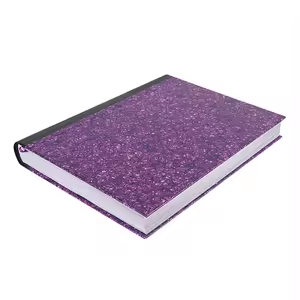
Specialty Items
Wigs & Hair Extensions (natural-looking fibers)
Bookbinding (durable cover materials)
Cigarette Filters (biodegradable alternative)
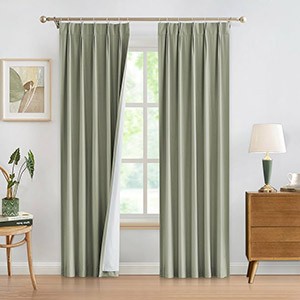
Home Textiles
Curtains & Drapes (lustrous window treatments)
Upholstery (decorative furniture covers)
Bedding Accents (luxe pillowcases, decorative throws)
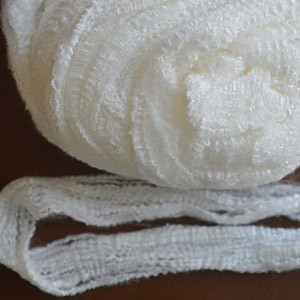
Technical Uses
Medical Textiles (surgical mesh, wound dressings)
Industrial Filters (chemical-resistant membranes)
Photography (film substrates)
How to Laser Cut Acetate Fabric?
Step-by-Step Process
1. Preparation:
Flatten material, test cuts, and use air assist.
2. Settings:
Use CO₂ laser
Start with low power to prevent burning.
3. Cutting:
Multiple light passes prevent melting.
4. Post-Processing:
Clean edges with alcohol if needed.
Related Videos
Guide to the Best Laser Power for Cutting Fabrics
In this video, we can see that different laser cutting fabrics require different laser cutting powers and learn how to choose laser power for your material to achieve clean cuts and avoid scorch marks.
Any Question to Laser Cutting Acetate Fabric?
Let Us Know and Offer Further Advice and Solutions for You!
Recommended Acetate Laser Cutting Machine
At MimoWork, we are laser cutting specialists dedicated to revolutionizing textile manufacturing through innovative Neoprene fabric solutions.
Our proprietary cutting-edge technology overcomes traditional production limitations, delivering precision-engineered results for international clients.
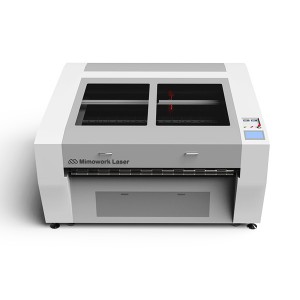
Laser Power: 100W/150W/300W
Working Area (W * L):1600mm * 1000mm (62.9” * 39.3 ”)
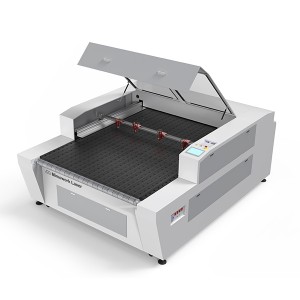
Laser Power: 100W/150W/300W
Working Area (W * L): 1800mm * 1000mm (70.9” * 39.3 ”)
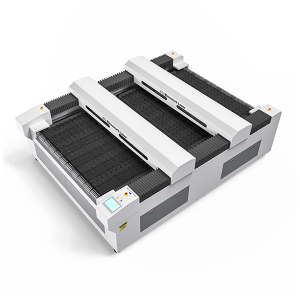
Laser Power: 150W/300W/450W
Working Area (W * L): 1600mm * 3000mm (62.9’’ *118’’)
FAQs
Acetate fabric is a semi-synthetic textile made from cellulose acetate, a derivative of wood pulp or cotton fibers. It is known for its silky appearance, lightweight feel, and draping qualities, making it a popular choice for linings, dresses, scarves, and formal wear.
Acetate fabric is a lightweight, silky material that works well for summer eveningwear or flowy dresses due to its elegant drape and quick-drying properties, but it's not ideal for extreme heat or humidity because it lacks breathability and can feel sticky against the skin. For better comfort in hot weather, natural fibers like cotton or linen are more suitable.
Acetate and polyester are distinct fabrics: acetate is a semi-synthetic, wood pulp-derived material with a silky drape but poor breathability, ideal for linings and formalwear, while polyester is a fully synthetic, petroleum-based fabric known for durability and moisture-wicking, making it better suited for activewear and everyday clothing—though neither matches the comfort of natural fibers like cotton in hot weather.
Acetate fabric is a semi-synthetic silk alternative made from wood pulp that mimics silk's luxurious sheen and drape at a lower cost, but differs significantly in performance - while silk is a natural, breathable, temperature-regulating protein fiber prized for its durability and comfort, acetate is less breathable, weakens when wet, and has a slightly synthetic feel, making it better suited for budget-friendly linings and decorative uses rather than high-end garments where silk's premium qualities are desired.
Acetate offers good quality for specific applications—it delivers an affordable silk-like luster and elegant drape perfect for formalwear linings, occasion dresses, and decorative fabrics, but its poor breathability, low durability (especially when wet), and heat sensitivity make it unsuitable for everyday wear or high-performance uses, placing it a tier below premium natural fibers like silk but above cheaper synthetics in terms of aesthetic appeal.