
Laser Cut Crepe for Fashion Tech
"Have you ever run your fingers over a fabric that feels subtly textured—slightly crinkled yet luxuriously smooth, lightweight yet surprisingly resilient? Chances are, you’ve encountered crepe, a material beloved for its elegant drape and distinctive grainy surface. But what gives crepe its unique character? How does silk crepe differ from polyester or wool crepe? And why has it remained a staple in everything from flowing evening gowns to sleek scarves for centuries? Let’s unravel the secrets behind this timeless textile."
▶ The Basic Introduction Of Crepe Fabric
Crepe Fabric
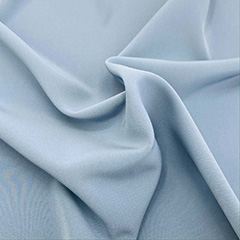
Crepe fabric is a lightweight, textured material known for its distinctive crinkled or pebbled surface, offering a unique drape and elegant appearance. Made from various fibers like silk, polyester, or wool, crepe fabric is versatile and widely used in fashion.
Crepe clothing fabric is particularly favored for dresses, blouses, and skirts due to its fluidity and slight stretch, ensuring comfort and a flattering fit. The fabric’s subtle sheen and wrinkle-resistant properties make it a popular choice for both casual and formal wear. Whether in delicate silk crepe fabric or durable synthetic blends, crepe clothing fabric remains a timeless option for stylish, sophisticated garments.
▶ Material Properties Analysis of Crepe Fabric
Crepe fabric is renowned for its distinctive crinkled texture, elegant drape, and versatile applications in fashion and textiles. This analysis examines its key material properties, including fiber composition, structural characteristics, mechanical behavior, and performance attributes, to understand what makes crepe a unique and enduring textile choice.
Fiber Composition & Types
Crepe can be made from natural, synthetic, or blended fibers, each influencing its properties:
Silk Crepe
Properties: Lightweight, high luster, excellent drape, breathable, but prone to wrinkling.
Applications: Luxury apparel, evening wear, scarves.
Wool Crepe
Properties: Warm, slightly textured, resilient, and wrinkle-resistant.
Applications: Suits, skirts, winter garments.
Polyester/Rayon Crepe
Properties: Durable, affordable, easy-care (wrinkle-resistant), but less breathable.
Applications: Everyday dresses, blouses, upholstery.
Cotton Crepe
Properties: Soft, breathable, matte finish, but less elastic.
Applications: Casual wear, summer clothing.
Mechanical & Performance Properties
| Property | Characteristics |
|---|---|
| Drape | Excellent fluidity, ideal for flowing garments (e.g., dresses, scarves). |
| Elasticity | Moderate (depends on fiber; silk/wool crepe has natural stretch, polyester recovers well). |
| Wrinkle Resistance | Varies—silk crepe wrinkles easily; synthetic blends resist creasing. |
| Breathability | High in natural fibers (silk, cotton); lower in synthetics. |
| Moisture Wicking | Silk/wool crepe absorbs moisture; polyester traps heat. |
| Durability | Synthetic crepes (polyester) outperform delicate silk crepe in abrasion resistance. |
| Thermal Regulation | Wool crepe insulates; silk crepe is temperature-regulating. |
Structural Characteristics
Crepe’s signature texture results from:
High-Twist Yarns: Fibers are tightly twisted (S- and Z-twist alternation) to create a pebbled surface.
Weaving/Knitting Techniques:
Plain weave (e.g., Crepe de Chine) → Smooth with subtle texture.
Twill or crêpe-back satin → One side crinkled, the other smooth.
Chemical Treatment: Some crepes undergo caustic soda treatment (e.g., plissé crepe) for permanent puckering.
Advantages & Limitations
Pros:
- Aesthetic versatility (matte to lustrous finishes).
- Drapes beautifully, enhancing garment silhouettes.
- Blends offer cost and performance customization.
Cons:
- Delicate silk crepe requires careful handling (dry clean).
- Synthetic crepes may lack breathability.
- Some types shrink if improperly washed.
▶ Applications of Crepe Fabric
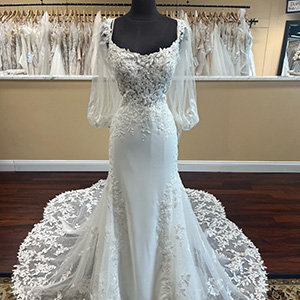
Fashion Apparel
Eveningwear & Bridal
Silk crepe creates fluid mermaid silhouettes and Grecian drapes
Daywear
Polyester crepe for wrinkle-free office sheaths and wrap dresses
Wool crepe tailored blazers with pebbled texture
Accessories
6mm silk crepe Hermès-style twilly scarves
Ombre-dyed crepe dance capes
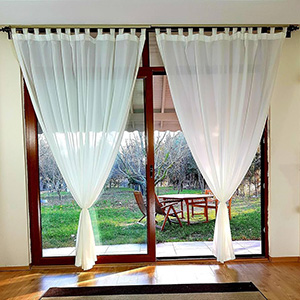
Home Textiles
Window Treatments
Matte cotton crepe curtains
Fire-retardant polyester crepe room dividers
Bedding Innovations
Tencel-blend crepe summer quilts (35% more breathable than cotton)
Plissé crepe pillowcases
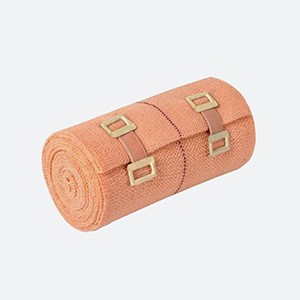
Technical Textiles
Medical Applications
Antibacterial viscose crepe surgical gowns (Korean patented technology)
Elastic crepe compression bandages
Activewear
Moisture-wicking crepe yoga leggings (Lululemon's proprietary fabric)
UPF50+ polyester crepe running shirts
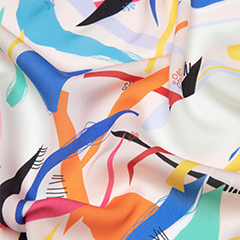
Cultural Arts
Performing Arts
6-layer silk crepe opera sleeves with ink-wash effects
Bunraku puppet costumes (Japanese traditional miniature crepe)
Heritage Crafts
Indian Banarasi gold-threaded crepe saris
Chinese Su embroidery foundation fabric
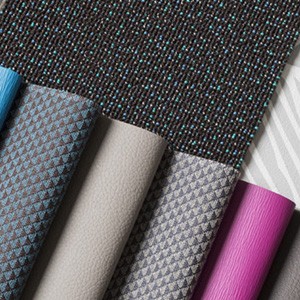
Industrial Innovations
Automotive
Flame-resistant triacetate crepe seat upholstery (Tesla Model S option)
Acoustic crepe door panel liners (BMW noise-reduction patent)
Aerospace
Carbon-fiber composite crepe satellite insulation (NASA Artemis Program)
▶ Comparison with Other Fibers
| Property | Crepe Fabric (Silk) | Crepe Fabric (Polyester) | Chiffon | Satin | Jersey Knit | Taffeta |
|---|---|---|---|---|---|---|
| Texture | Pebbled, crinkled | Pebbled, less natural | Sheer, smooth | Glossy smooth | Smooth, stretchy | Crisp, stiff |
| Drape | Excellent (fluid) | Good (structured) | Airy | Fluid | Moderate | Stiff |
| Breathability | High | Low-Medium | High | Medium | High | Low |
| Moisture Wicking | Moderate | Poor | Good | Poor | Excellent | Poor |
| Durability | Moderate (delicate) | High | Low | Medium | High | High |
| Wrinkle Resistance | Low | High | Medium | Medium | High | High |
▶ Recommended Laser Machine for Crepe
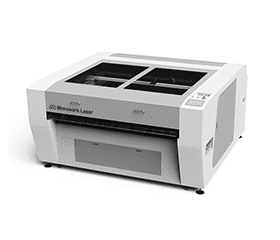
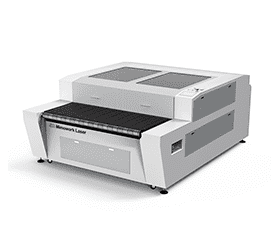
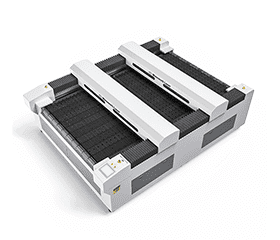
We Tailor Customized Laser Solutions for Production
Your Requirements = Our Specifications
Can You Laser Cut Nylon (Lightweight Fabric)?
In this video we used a piece of ripstop nylon fabric and one industrial fabric laser cutting machine 1630 to make the test.
As you can see, the effect of laser cutting nylon is excellent.
▶ Laser Cutting Crepe Fabric Steps
Step One
Setup
Ensure fabric is flat and wrinkle-free
Use stabilizer/backing paper
Step Two
Cutting
Run a small test cut (adjust power/speed if edges char or melt).
Place fabric face-up for cleaner edges.
Secure with weights/masking tape (avoid pins to prevent damage).
Step Three
Finish
Remove any residue (lightly brush off ash).
Seal edges (optional, with fray check or heat sealing for synthetics).
Related vedio:
Guide to the Best Laser Power for Cutting Fabrics
In this video, we can see that different laser cutting fabrics require different laser cutting powers and learn how to choose laser power for your material to achieve clean cuts and avoid scorch marks.
0 error edge: no more thread derailment and rough edges, complex patterns can be formed with one click.Double efficiency: 10 times faster than manual work, a great tool for mass production.
Learn More Information about Laser Cutters & Options
▶ Crepe Fabric's FAQs
Crepe fabric is versatile for all seasons depending on its composition: lightweight silk or cotton crepe offers breathable comfort for summer dresses and blouses, while wool or heavy polyester crepes provide warmth for winter suits and coats. Natural fiber crepes like georgette are ideal for hot weather, whereas thicker, structured crepes work best in cold months - simply check the fabric weight (lighter for summer, heavier for winter) to match your seasonal needs.
Crepe (like silk or polyester) offers elegant drape and wrinkle resistance, making it ideal for formalwear, while cotton is more breathable and washable for casual, everyday comfort. Choose cotton for summer heat and crepe for polished occasions. For balance, consider cotton-crepe blends that combine the best of both.
Crepe can be a luxury fabric when made from premium materials like silk or fine wool—used by brands like Chanel for its elegant drape and matte luster. However, cheaper polyester versions are widely available. True luxury crepe features natural fibers, high fabric weight (GSM), and artisanal finishes like hand-rolled hems.
Crepe fabric's high cost comes from premium materials, meticulous craftsmanship, and luxury standards. It requires top-grade silk ($500+/kg) or ultrafine wool, with 40% of fibers discarded during selection. Production involves labor-intensive techniques like alternating S/Z yarn twists (tripling time) and patented Italian methods, with 15-20% yarn breakage. Luxury brands enforce rigorous testing (e.g., Chanel's 0.1mm precision, Hermès' 200-cycle abrasion tests). The result? Unmatched drape, durability (30% stronger than regular silk), and shape memory.