
Laser Cut Gossamer Fabric
Introduction of Gossamer Fabric
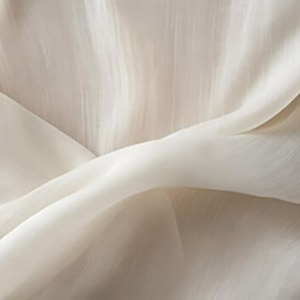
Gossamer is one of the most challenging fabrics to cut cleanly. It's ultra-lightweight, nearly transparent, and shifts the moment any tool touches it. Traditional scissors leave frayed threads. Die cutters distort the weave. Even rotary blades struggle to produce repeatable results on such an airy textile.
A properly configured CO2 laser changes this entirely.
This page explains exactly how laser technology handles gossamer, what settings work, where things go wrong, and which MimoWork machines are built for this kind of delicate textile work — so you can make a confident buying decision or production call.
What Makes Gossamer Different From Other Fabrics?
Gossamer is a category of extremely fine, sheer textiles — not a single material. You'll encounter it in several forms, each behaving slightly differently under a laser beam:
- Silk gossamer — the traditional version, naturally protein-based, cuts cleanly but scorches if dwell time is too long
- Polyester gossamer — the most common in modern production; synthetic fibers melt-seal at the edges when laser cut, which actually works in your favor
- Nylon gossamer — similar to polyester in laser behavior, slightly higher melt temperature
- Chiffon-style gossamer blends — mixed fiber content requires more test cutting
What all of these share: they are extremely lightweight (often under 20 g/m²), loosely woven or knitted, and prone to shifting, lifting, or burning if your settings aren't dialed in.
Why CO2 Laser Is the Right Tool for Gossamer
CO2 lasers operate at a 10.6 μm wavelength — the infrared range that organic and synthetic fibers absorb efficiently. This means the laser vaporizes material along the cutting path rather than tearing or crushing it.
For gossamer specifically, the advantages are real and measurable:
No fraying. On synthetic gossamer (polyester/nylon), the laser heat seals the edge as it cuts. You get a clean, fused border that won't unravel in production or after washing.
No contact, no distortion. Because the laser never physically touches the fabric, there's no pressure to shift or stretch the weave. Gossamer holds its drape and structure.
Intricate patterns are possible. Lace-like cutouts, scalloped hems, and complex geometric shapes that would be impossible with scissors or dies can be cut repeatably at production scale.
Batch consistency. Once you've programmed the path and confirmed your settings, every piece comes out identical — critical for bridal, costume, or luxury fashion runs.
Recommended Laser Settings for Gossamer Fabric
Gossamer requires a much lighter touch than most materials your machine will handle. On industrial CO2 systems starting at 100W, the challenge is not having enough power — it's controlling the delivery precisely enough to avoid burning through fabric that weighs less than 20 g/m².
The key principle: use high speed, very low power percentage. On a 100W machine, 10% means 10W of actual output — still more than enough to cut gossamer cleanly. On a 300W machine, you may be working at 3–5%.
Always run a test cut on a scrap piece before production. Gossamer composition varies even within the same fabric type.
| Parameter | 100W Machine | 150W Machine | 300W Machine |
|---|---|---|---|
| Silk Gossamer — Power | 8–12% (8–12W) | 5–8% (7–12W) | 3–5% (9–15W) |
| Silk Gossamer — Speed | 80–120 mm/s | 100–140 mm/s | 120–160 mm/s |
| Polyester/Nylon Gossamer — Power | 10–15% (10–15W) | 7–10% (10–15W) | 4–6% (12–18W) |
| Polyester/Nylon Gossamer — Speed | 60–100 mm/s | 80–120 mm/s | 100–140 mm/s |
| Focus | At surface to −0.2 mm | At surface to −0.2 mm | At surface to −0.2 mm |
| Air Assist | Bottom suction; minimal top assist | Bottom suction; minimal top assist | Bottom suction; minimal top assist |
Source: Laser cutting parameters for gossamer fabrics (100W / 150W / 300W CO₂ laser).
Why speed matters more than power on industrial machines: At 100W+, even 5% power delivers concentrated heat rapidly. The real control variable is speed — faster passes mean shorter dwell time per millimeter, which prevents heat accumulation in the fabric. If you see scorching, increase speed before reducing power further.
Air assist setup for gossamer specifically: Strong top-blow air will lift gossamer off the cutting bed entirely, ruining your focus and your cut. On industrial machines with high-pressure assist systems, switch to bottom suction hold-down (honeycomb bed with vacuum) as your primary stabilization method. Use top assist only at its lowest setting, if at all.
Common Problems — and How to Fix Them
Problem: Fabric is lifting during the cut
The laser is disrupting the material with air or movement. Use a honeycomb cutting bed with light vacuum hold-down, or place perimeter pins to keep the fabric flat. Reduce top air assist to minimum.
Problem: Scorched or brown edges
Power is too high or speed too low. Increase speed by 10–15% increments before reducing power — speed is usually the faster fix. Also check that your focus is correct; a defocused beam spreads energy and causes heat spread.
Problem: Incomplete cut on thicker gossamer blends
Some blended gossamer (especially if it has a backing layer) needs a second pass at the same settings rather than increasing power in a single pass.
Problem: Residue on the cut edge
Common with polyester when the melt solidifies. A lint roller or brief cold-water rinse removes it. Do not iron directly on the sealed edge — the melted fibers can re-fuse to the iron plate.
Problem: Pattern shift between pieces
The fabric is moving between jobs. Use registration marks or a vision camera system to compensate for any positional variation — particularly important for sublimated or printed gossamer where the cut must follow a pattern outline.
Application of Gossamer Fabric
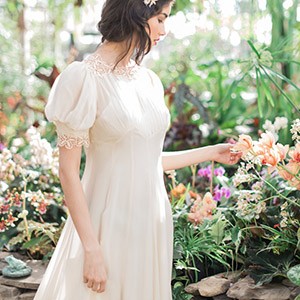
Fashion & Haute Couture
Bridal & Evening Wear
Wedding veils, tulle skirts, organza overlays, and lace appliqués.
Women's Clothing
Flowy summer dresses, sheer blouses (voile, chiffon).
Lingerie & Sleepwear
Delicate lace bras, gauzy nightgowns (batiste, silk gauze).

Stage & Costume Design
Ballet & Theater
Tutus (stiff tulle), fairy/angel wings (chiffon, organza), fantasy costumes.
Concerts & Performances
Dramatic sleeves or skirts (georgette, tissue silk).
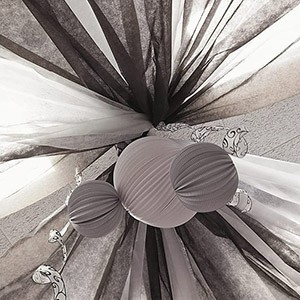
Home Décor
Curtains & Drapery
Light-filtering sheer curtains (voile, chiffon), romantic lace panels.
Table & Decorative
Table runners, lampshade covers (embroidered tulle).

Wedding & Event Styling
Backdrops & Florals
Arch draping, photo booth backdrops (chiffon, organza), chair sashes.
Lighting Effects
Softening light with fabric-diffused lamps.
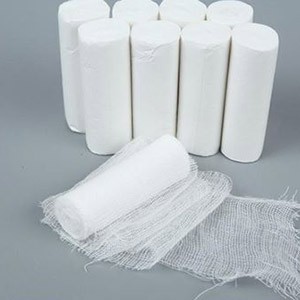
Specialized Uses
Medical & Beauty
Surgical gauze (cotton gauze), facial masks (breathable mesh).
Recommended Laser Machine for Gossamer Fabric
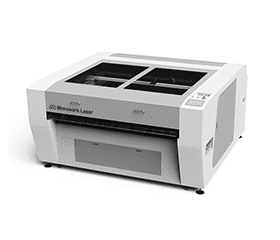
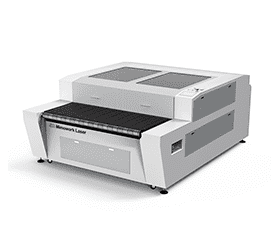
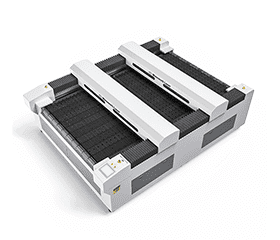
We Tailor Customized Laser Solutions for Production
Your Requirements = Our Specifications
Which MimoWork Machines Handle Gossamer Well
Not every laser machine is suitable for ultra-delicate fabrics. The critical requirements for gossamer are: precise low-power control, stable motion at high speed, and a cutting bed that can hold lightweight material flat.
MimoWork fabric laser cutters are built specifically for textile applications, not repurposed engravers. Key features that matter for gossamer:
Auto-feed & Conveyor
Allows continuous roll-fed production without manual repositioning, reducing fabric disturbance.
Camera / Vision System
Automatically detects printed pattern outlines for cut-following on sublimated gossamer — essential for printed bridal or costume fabrics.
Large Format Cutting Area
Handles full-width fabric rolls common in apparel and event textile production.
CNC Nesting Software
Maximizes material yield on expensive specialty fabrics — material savings of 15–25% are achievable on complex pattern layouts.
If you're primarily cutting gossamer for bridal or formalwear, the Vision Laser Cutter with camera recognition is worth looking at specifically — it solves the pattern-registration problem that manual setup cannot.
Laser Cutting Gossamer Fabric Steps
① Material Preparation
Opt for lightweight, sheer materials like silk gauze, fine tulle, or ultra-thin chiffon.
Use a temporary adhesive spray or sandwich between sticky-back paper/tape to prevent shifting.
For delicate fabrics, place on a non-stick honeycomb cutting bed or silicone mat.
② Digital Design
Use vector software (e.g., Adobe Illustrator) to create precise cutting paths, avoiding complex closed shapes.
③ Cutting Process
Start with low power (10–20%) and high speed (80–100%) to avoid burning.
Adjust based on fabric thickness (e.g., 30W laser: 5–15W power, 50–100mm/s speed).
Focus the laser slightly below the fabric surface for crisp edges.
Opt for vector cutting (continuous lines) over raster engraving.
④ Post-Processing
Gently remove residue with lint roller or cold water rinse (if adhesive remains). Press with a cool iron if needed, avoiding direct heat on melted edges.
Related vedio:
Guide to the Best Laser Power for Cutting Fabrics
In this video, we can see that different laser cutting fabrics require different laser cutting powers and learn how to choose laser power for your material to achieve clean cuts and avoid scorch marks.
Can you Laser Cut Alcantara Fabric? Or Engrave?
Alcantara has pretty wide and versatile applications like Alcantara upholstery, laser engraved alcantara car interior, laser engraved alcantara shoes, Alcantara clothing.
You know co2 laser is friendly to most fabrics like Alcantara. Clean cutting edge and exquisite laser engraved patterns for Alcantara fabric, the fabric laser cutter can bring a huge market and high add-value alcantara products.
It’s like laser engraving leather or laser cutting suede, the Alcantara has features that balance the luxurious feel and durability.
FAQS
Gossamer fabric is an ultra-lightweight, sheer textile known for its ethereal, floating quality, traditionally made from silk but often using nylon or polyester today. Delicate and nearly transparent, it's perfect for creating dreamy, romantic effects in bridal veils, fantasy costumes, and decorative overlays. While gossamer offers unmatched airiness and drapes beautifully, its fragility makes it prone to snags and wrinkles, requiring careful handling. Compared to similar fabrics like chiffon or tulle, gossamer is lighter and softer but less structured. This whimsical fabric captures a fairy-tale aesthetic, ideal for special occasions where a touch of magic is desired.
Gossamer fabric is primarily used to create ethereal, floating effects in bridal veils, evening gown overlays, and fantasy costumes due to its ultra-lightweight, sheer quality. This delicate fabric adds romantic detailing to wedding dresses, angelic sleeves, and fairy wings while also serving decorative purposes in dreamy photo backdrops, sheer curtains, and special event decor. Though too fragile for everyday wear, gossamer excels in theatrical productions, lingerie accents, and DIY crafts where its whisper-thin, flowing drape can create magical, translucent layers that catch light beautifully. Its unmatched airiness makes it perfect for any design needing a touch of delicate fantasy.
Gossamer clothing refers to lightweight, delicate, and often sheer garments made from fine fabrics like chiffon, tulle, or silk, resembling the ethereal quality of spiderwebs. These pieces are airy, translucent, and softly draped, creating a romantic, feminine, and elegant look—commonly seen in bridal wear, evening gowns, and bohemian fashion. The term evokes fragility and beauty, often enhanced with lace, embroidery, or layered designs for a dreamy, floating effect.
Chiffon is a specific lightweight, slightly textured fabric (often silk or polyester) known for its fluid drape and subtle sheen, commonly used in scarves, dresses, and overlays. **Gossamer**, by contrast, is not a fabric type but a poetic term describing any ultra-delicate, ethereal material—like the finest silk gauze, cobweb-thin tulle, or even certain chiffon—that creates a barely-there, floating effect, often seen in bridal veils or haute couture. Essentially, chiffon is a material, while gossamer evokes an airy aesthetic.
Gossamer fabric is exceptionally soft due to its ultra-fine, lightweight nature—often made from delicate materials like silk gauze, fine tulle, or cobweb-like weaves. While not a specific fabric type (but rather a term describing ethereal lightness), gossamer textiles prioritize a whisper-soft, airy feel that drapes like mist, making them ideal for romantic bridal wear, haute couture, and delicate overlays. Its softness surpasses even chiffon, offering a barely-there touch akin to spider silk.
Gossamer fabric originates from the delicate strands of spider silk or fine natural materials like silk gauze, with its name inspired by the Old English "gōs" (goose) and "somer" (summer), poetically evoking lightness. Today, it refers to ultra-sheer, lightweight textiles—such as ethereal silks, fine tulles, or synthetic chiffons—crafted to mimic the weightless, floating quality of spiderwebs, often used in haute couture and bridal wear for its dreamy, translucent effect.