
Laser Cutting Felt Paper
Felt paper, also known as felt roof paper, is a durable and versatile material primarily used in construction for its waterproofing properties. A common question is, "Is felt paper waterproof?"
The answer is yes—standard felt paper is made from asphalt-saturated fiberglass or cellulose, creating a water-resistant barrier ideal for roofing underlayment and moisture protection.
While felt roof paper excels in short-term weather resistance, long-term exposure may require additional layers for optimal durability. Whether for temporary covers or permanent installations, felt paper remains a cost-effective solution for waterproofing needs.
Material Properties Analysis of Flet Paper
Flet Paper
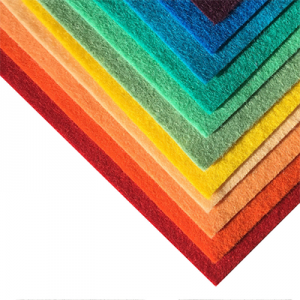
Felt paper (a dense, fibrous material often made from polyester, wool, or recycled fibers) is popular for crafts, packaging, and industrial applications. Below is a detailed breakdown of its properties relevant to laser processing:
Composition & Types
Natural Felt Paper (Wool/Cotton-Based)
Organic fibers, burns cleanly, no toxic fumes.
Synthetic Felt Paper (Polyester/Rayon-Based)
May melt or emit fumes; requires ventilation.
Blended Felt Paper (Mixed Fibers)
Behavior depends on dominant material.
The Difference Between Felt and Felt Paper
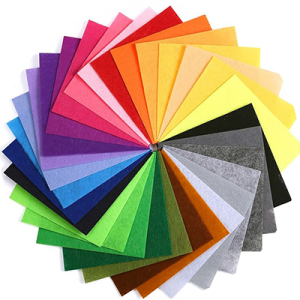
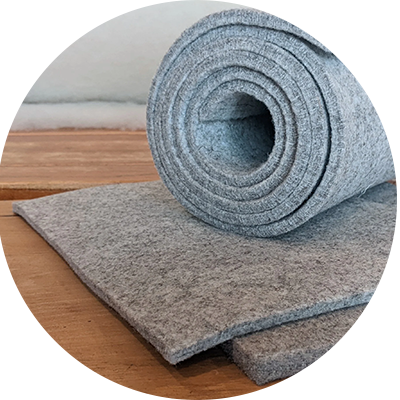
Felt vs. Felt Paper (Asphalt Felt): Key Differences in Composition, Applications, and Properties
1. Material Composition
| Property | Felt | Felt Paper (Asphalt Felt) |
| Material | Compressed natural (wool/cotton) or synthetic (polyester) fibers | Cellulose fiber (paper/glass fiber) + asphalt/tar saturation |
| Eco-Friendliness | Biodegradable (natural felt) | Contains asphalt; may release VOCs - handle with care |
| Texture | Soft, elastic | Rigid, brittle with asphalt coating |
2. Waterproof Performance
Felt:
Natural felt (e.g., wool) is hygroscopic - not waterproof, though usable as moisture barrier (e.g., planter liner)
Synthetic felt (e.g., polyester) has limited water resistance but isn't waterproof
Felt Paper:
Waterproof (asphalt-based) for construction moisture/rain protection, requires top-layer protection for extended exposure
3. Pricing & Availability
Felt: Sold by color/thickness at craft stores/e-commerce
Felt Paper: Sold in rolls (e.g., 3'×100') at building material markets, graded as #15, #30, etc. (higher numbers indicate greater thickness/durability)
Conclusion
Choose Felt: When needing soft, customizable material for crafts, home, or light industrial use
Choose Felt Paper: For waterproofing/moisture protection in construction/gardening (verify eco-friendliness)
Key Difference: Asphalt coating determines waterproofing, while natural/synthetic felt emphasizes flexibility/moldability
CO₂ Laser Cutting Tips for Felt Paper
Critical Safety Precautions
Mandatory 3000m³/h industrial exhaust system (asphalt fumes contain benzo[a]pyrene carcinogens)
Operators must wear
Organic vapor cartridge respirator
Laser-safe explosion-proof goggles
Fire prevention: Place laser-rated fire blankets around work area
Equipment Maintenance
Every 8 operating hours:
Clean optics with dichloromethane
Replace air filters (asphalt particulates clog easily)
Daily: Apply high-temp grease to rails (asphalt fumes are corrosive)
Process Control
Pre-Treatment
Freeze material to -10°C (reduces smoke by 30%)
Apply high-temp PET release film (prevents asphalt spatter)
Cutting Technique
"Snake pattern" toolpath (even heat distribution)
50% speed reduction at corners (prevents burn-through)
Laser Cut Felt Paper FAQs
Felt paper, also known as roofing felt or tar paper, is a type of material commonly used in construction, especially in roofing. It's typically made from a base of felt (a type of compressed fabric) that is coated with asphalt or tar. This gives it water-resistant properties, making it useful for preventing water penetration under roofing materials like shingles. It acts as a barrier against moisture, helping to protect the structure of a building.
Felt paper is primarily used in construction, especially for roofing and waterproofing. Its key functions include:
Waterproofing: Felt paper is commonly placed under roofing materials like shingles or tiles to provide a protective layer against water infiltration. It helps prevent leaks by blocking moisture from seeping into the structure.
Vapor Barrier: It can also act as a vapor barrier, preventing moisture from the building’s interior from reaching the outer layers.
Protection: It protects the roof deck from damage caused by weather or construction materials during installation.
Wind and UV Protection: Felt paper helps shield the underlying structure from wind and UV damage, which can degrade roofing materials over time.
Another common name for felt paper is roofing felt or tar paper. These terms are often used interchangeably, especially in the context of construction and roofing. "Roofing felt" refers to its primary use in roofing, while "tar paper" comes from the fact that it is typically coated with asphalt or t ar for water resistance.
Felt paper is designed to be water-resistant but not fully waterproof. It can get wet, especially during installation or if exposed to heavy rain, but it should not remain wet for extended periods. Prolonged exposure to water can weaken the material and reduce its effectiveness. However, once covered with roofing materials like shingles, felt paper typically dries out and helps keep moisture from penetrating the structure.
Felt paper, while useful in many construction applications, does have some disadvantages:
Limited Durability: Felt paper can degrade over time, especially when exposed to prolonged moisture or UV rays. It may weaken and lose its effectiveness, leading to leaks or water damage.
Vulnerability to Punctures: Felt paper is not as durable as some modern synthetic materials, and it can be easily punctured or torn during installation or from foot traffic on the roof.
Potential for Mold Growth: If the felt paper becomes too wet and remains damp for an extended period, it can become a breeding ground for mold and mildew, which can lead to structural issues.
Not Fully Waterproof: While it provides some water resistance, felt paper is not completely waterproof. In extreme weather conditions, water may still penetrate, particularly if the felt is damaged or deteriorated.
Heavy and Difficult to Handle: Felt paper can be heavier than modern synthetic alternatives, making it more difficult to handle and install, especially in larger projects.
Wide Applications of Laser Felt Paper
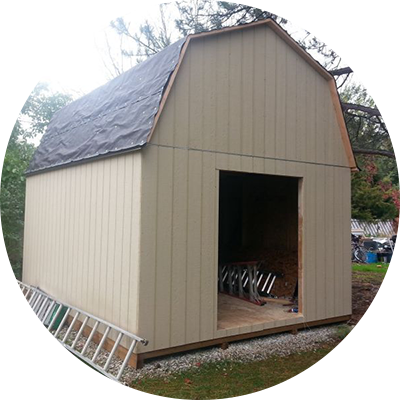
Roofing
Underlayment for Shingles – Provides a waterproof barrier beneath roof shingles.
Temporary Roof Covering – Protects structures during construction before final roofing is installed.
Ice & Water Shield – Used in cold climates to prevent ice dam damage.
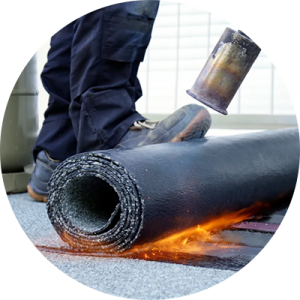
Flooring Protection
Subfloor Moisture Barrier – Prevents moisture from damaging wooden floors.
Construction Site Protection – Covers floors to avoid scratches and spills during building work
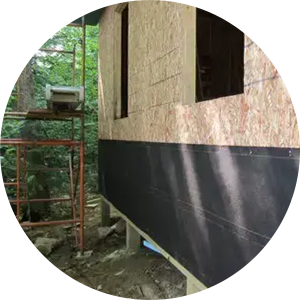
Wall & Siding Protection
House Wrap Alternative – Shields walls from rain before siding installation.
Vapor Barrier – Reduces condensation in walls (especially in basements).
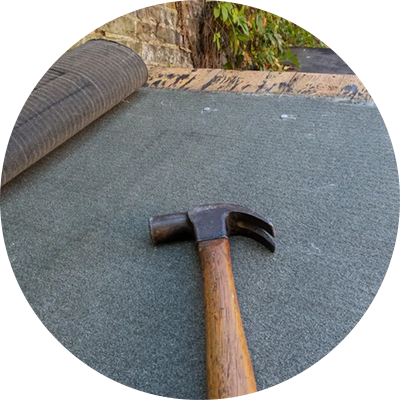
DIY & Home Repairs
Shed & Garage Roofing – Affordable waterproofing solution for small structures.
Pipe & Duct Wrapping – Insulates pipes and HVAC ducts
MimoWork Laser Series
Popular Felt Laser Cutting Machine

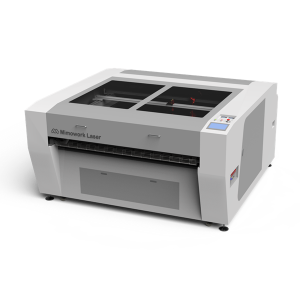
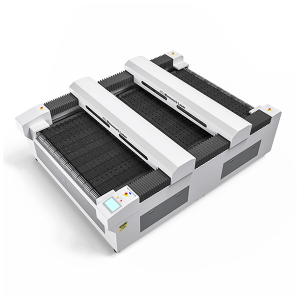
• Working Area: 1600mm * 3000mm (62.9’’ *118’’)
• Laser Power: 150W/300W/450W
Any Questions About How To Laser Cut Felt Paper?
How To Laser Cut Felt - Video Display
■ Video 1:How to Cut Sublimation Fabrics? Camera Laser Cutter for Sportswear
The 2024 newest camera laser cutter can help you with it! It is designed for cutting printed fabrics, sportswear, uniforms, jerseys, teardrop flags, and other sublimated textiles.
Such as polyester, spandex, lycra, and nylon, these fabrics, on the one hand, come with premium sublimation performance, on the other hand, they have great laser-cutting compatibility.
■ Video 2: Denim Laser Cutting Guide | How to Cut Fabric with a Laser Cutter
Come to the video to learn the laser cutting guide for denim and jeans. So fast and flexible whether for customized design or mass production it is with the help of fabric laser cutter.
Polyester and denim fabric are good for laser cutting, and what else?