

Laser Permanent Engraving Solution for Anodized Aluminum
What is Anodized Aluminum Laser Engraving?
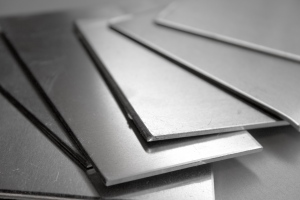
Anodized aluminum laser engraving is a precision process that uses a high-energy laser beam to precisely remove the surface anodized layer, exposing the native silver-white aluminum beneath to create permanent, high-contrast marks. This chemical-free, ink-free technique produces crisp, wear-resistant, and corrosion-resistant markings widely used in electronics, industrial nameplates.
Why is Anodized Aluminum the "Perfect Natural Partner" for Laser Engraving?
The fiber and UV laser's wavelength is efficiently absorbed by the anodized layer, precisely stripping the dark oxide film to reveal the bright aluminum substrate. Minimal heat-affected zone, no post-processing needed—a truly natural partnership.
Click here to learn more about fiber and UV lasers.
Industry Applications of Laser Engraved Anodized Aluminum
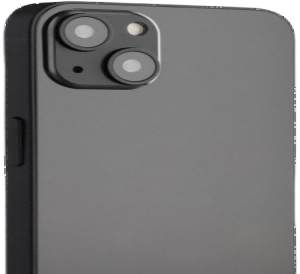
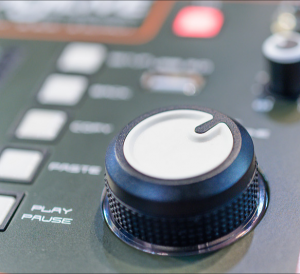
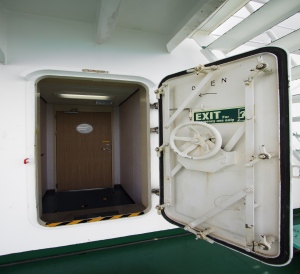
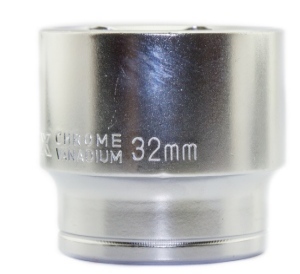
①Consumer Electronics
Logos and serial numbers on phone frames and back covers; decorative patterns on laptop shells; function markings on tablets and smartwatches; nameplates on cameras and drones.
②Automotive Industry
Function icons on center consoles and steering wheels; brand emblems on door trims and shift levers; wheel center caps and rear badges; EV charging port markings; traceability codes on headlight components.
③Aerospace & Aviation
Exit signs and seat numbers on cabin interiors; instrument panel labels in cockpits; equipment codes on catering carts and storage lockers; asset numbers on ground support equipment.
④Industrial Manufacturing
Exit signs and seat numbers on cabin interiors; instrument panel labels in cockpits; equipment codes on catering carts and storage lockers; asset numbers on ground support equipment.
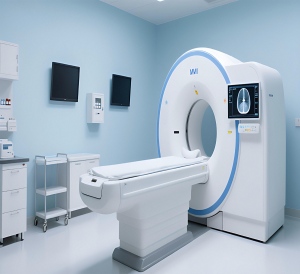
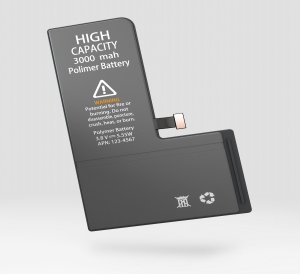
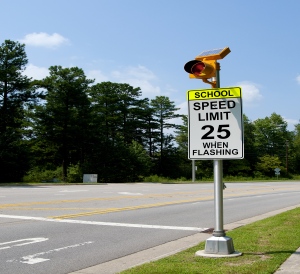
⑤Medical Devices
Model numbers and sterilization codes on surgical instruments; function labels on patient monitors and ultrasound machines; UDI markings on implant packaging; calibration dates on lab devices.
⑥Consumer Gifts
Personalized engravings on metal drinkware; logo engravings on keychains, USB drives, and bottle openers; function labels on bathroom cabinets and kitchen baskets; award text on medals and plaques.
⑦Architecture
Directional signs, floor directories, and room number plates; elevator operation panel markings; property ID numbers on public amenities; brand signs and exhibit labels for trade shows.
⑧Energy
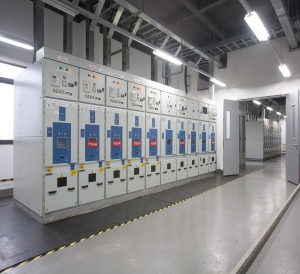
Switch IDs and safety labels on distribution cabinets; serial numbers and power ratings on photovoltaic frames; traceability codes on wind turbine internal components.
Does Laser Engraving Remove Protection from Anodized Aluminum?
No. Engraving removes only the ultra-thin surface oxide layer (a few to tens of microns), while the surrounding anodized film remains fully intact, continuing to provide corrosion and wear protection. The dense aluminum in the engraved area naturally forms a thin protective film upon exposure, leaving overall corrosion resistance virtually unaffected.
Recommended UV and Fiber Laser Machines for Anodized Aluminum
| Advantage Dimension | Specific Advantage | Detailed Description |
|---|---|---|
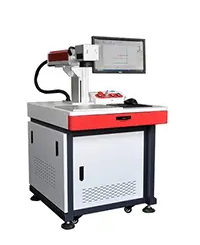
| Quality & Precision | Ultra-high precision | Repeatability up to 0.01mm for fine text, patterns, and QR codes with smooth edges. |
| Maintenance Cost | Low maintenance & long life | Air-cooled fiber laser with 100,000-hour lifespan, supporting 24/7 continuous operation. |
| Strong Applicability | Flexible & adaptable | Adjustable worktable and laser head accommodate various workpiece sizes and shapes. |
| Advantage Dimension | Specific Advantage | Detailed Description |
|---|---|---|
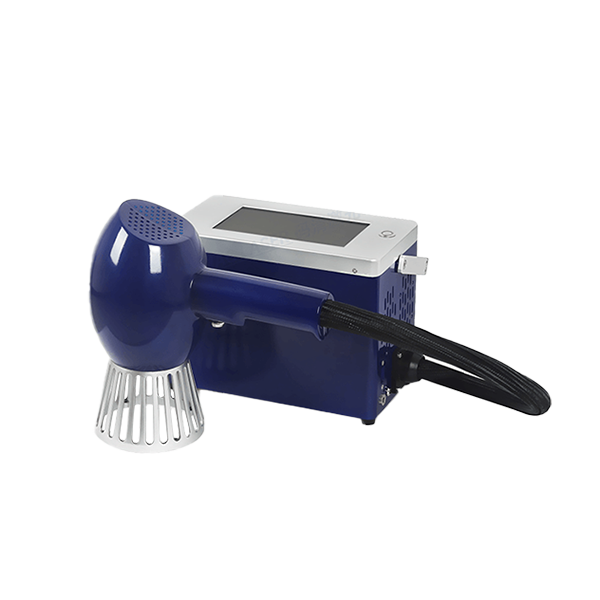
| Quality & Precision | Ultra-high precision | Repetition precision up to ±0.002mm for consistent, permanent, and distinct marking results. |
| Maintenance Cost | Long-lasting battery | 24V rechargeable lithium battery system providing 6-8 hours of continuous cruising. |
| Strong Applicability | Portable & cable-free | Lightest grip on the market, enables easy marking on large, heavy workpieces that cannot be moved. |
| Advantage Dimension | Specific Advantage | Detailed Description |
|---|---|---|
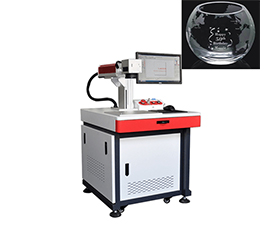
| Quality & Precision | Ultra-fine cold processing | 10 µm beam diameter with cold processing (355nm) prevents thermal damage on anodized aluminum. |
| Maintenance Cost | Low consumption & stable | Low power consumption (3W/5W/10W) with stable structure for reliable long-term operation. |
| Strong Applicability | Wide material compatibility | Works on wood, leather, stone, ceramic, plastic, metal, and anodized aluminum. |
Find YOUR Fiber Laser in 6 EASY Steps | MimoWork Laser
This fiber laser buying guide covers what fiber lasers do, their best applications, who uses them, and why to buy one—helping you choose the right machine for your business or projects.
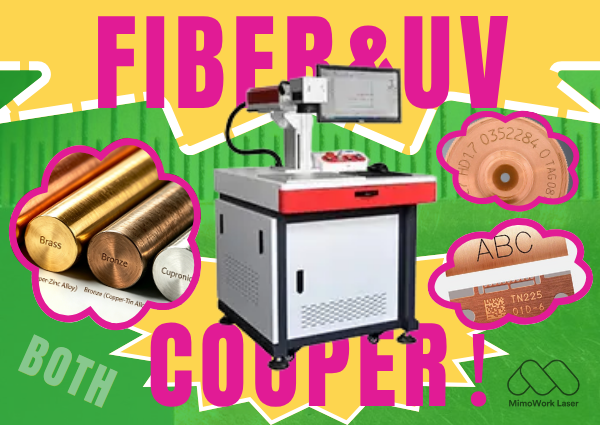
Our laser solution can not only engrave anodized aluminum, but also handle pure copper engraving with ease.
FAQ
A:This depends on whether the laser beam completely penetrates the anodized layer. When the laser energy fails to fully break through the oxide layer, the oxygen atoms within the layer cause the mark to appear gray or black. When the oxide layer is completely removed and the native aluminum substrate is exposed, the mark appears silver-white. MOPA fiber lasers can achieve uniform black marking by adjusting narrow pulse widths and high frequency parameters.
A:Yes, significantly. Industry experience indicates that anodized layers with a thickness of 10-20 microns are optimal for achieving ideal black marking results. When the layer is thinner than 8 microns, the oxide layer is too thin and can be easily penetrated by the laser, resulting in white spots. In such cases, increasing pulse frequency and fill density can help improve the results.
A:The anodized layer is artificially created through an electrochemical process, not naturally formed and not applied like paint. While aluminum does naturally form an extremely thin oxide film (about 4 nanometers) when exposed to air, this natural layer is too thin and porous to provide effective corrosion protection or hold dyes. The anodizing process involves placing aluminum as the anode in an electrolytic bath and applying an electric current to artificially grow a thick, dense oxide layer—typically several to tens of microns—from the aluminum surface itself. This layer grows outward from the base metal, making it an integral part of the aluminum rather than a separate coating, which is why it bonds so strongly and never peels or flakes off like paint.
A:Not entirely impossible, but effectiveness is limited and requires auxiliary aids. Diode lasers (typically 5W-10W) have low power and their wavelength (approximately 450nm blue or 808nm infrared) has poor absorption on metals. Direct engraving on anodized aluminum typically produces only faint marks with low contrast and long processing times. To use a diode laser, laser marking spray must be applied to the workpiece surface first. The laser heats the coating and sinters it onto the oxide layer, creating a mark. However, this method has low efficiency, high consumable costs, and the resulting marks are less durable than direct laser engraving—suitable only for small quantities and non-professional applications.
Related Articles
Do you have any other questions about laser engraving anodized aluminum?
Post time: Jun-25-2026