
Modal: The Next-Gen Soft Fabric
▶ The Basic Introduction of Modal Fabric
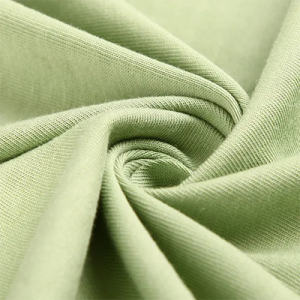
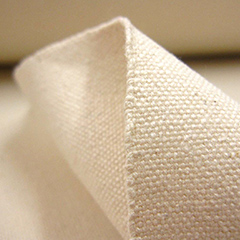
Modal is a high-quality regenerated cellulose fiber made from beechwood pulp, and is a good fabric, combining the breathability of cotton with the softness of silk. Its high wet modulus ensures shape retention after washing, making it ideal for premium underwear, loungewear, and medical textiles.
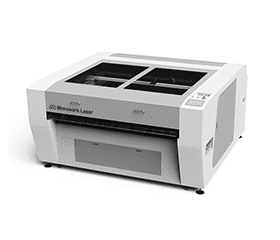
The laser cut fabric( process is particularly suitable for Modal, as lasers can precisely cut its fibers with sealed edges to prevent fraying. This contactless method is perfect for creating seamless garments and precision medical dressings from modal fabrics.
Moreover, modal fabrics are eco-friendly, produced via closed-loop processes with over 95% solvent recovery. Whether for apparel, home textiles, or technical uses, Modal is a good fabric choice for comfort and sustainability.
▶ Material Properties Analysis of Modal Fabric
Basic Properties
• Fiber Source: Made from sustainably sourced beechwood pulp, FSC® certified
• Fiber Fineness: Ultra-fine fibers (1.0-1.3 dtex), silk-like hand feel
• Density: 1.52 g/cm³, lighter than cotton
• Moisture Regain: 11-13%, outperforms cotton (8%)
Functional Properties
• Breathability: ≥2800 g/m²/24h, better than cotton
• Thermoregulation: 0.09 W/m·K thermal conductivity
• Anti-Static: 10⁹ Ω·cm volume resistivity
• Limitations: Requires cross-linking to prevent fibrillation; needs UV protection (UPF<15)
Mechanical Properties
• Dry Strength: 3.4-3.8 cN/dtex, stronger than cotton
• Wet Strength: Retains 60-70% dry strength, superior to viscose (40-50%)
• Abrasion Resistance: 20,000+ Martindale cycles, 2x more durable than cotton
• Elastic Recovery: 85% recovery rate (after 5% stretch), close to polyester
Sustainability Advantages
• Production: NMMO solvent recycling rate >95%, 20x less water than cotton
• Biodegradability: ≥90% degradation in soil within 6 months (OECD 301B)
• Carbon Footprint: 50% lower than polyester
▶ Applications of Modal Fabric
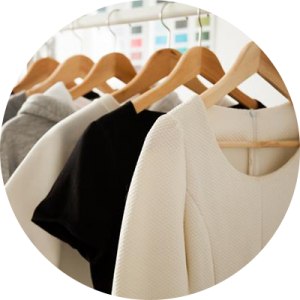
Apparel
Underwear
Close-fitting garments for comfort and support
Loungewear
Comfy and casual homewear that blends relaxation with style.
Premium Fashion
Crafted from exclusive fabrics with meticulous artistry

Home Textiles
Bedding
Modal fabric provides a comfortable feel
Bath Textiles
Includes towels, face cloths, bath mats and robe sets
Technical Textiles
Automotive
Includes seat covers, steering wheel wraps, sunshades and car fragrances
Aviation
Includes travel neck pillows, airline blankets and organizer bags
Innovations
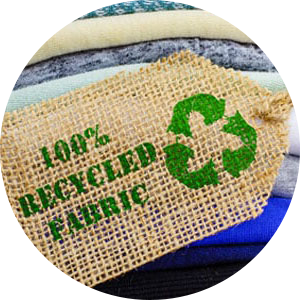
Sustainable Fashion
Where eco-consciousness meets stylish design
Circular Economy
A regenerative business model for the future
Medical
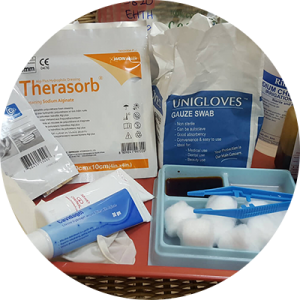
Dressings
The art of expressing individuality and taste
Hygiene Products
Feminine care Pads Liners Period underwear
▶ Laser Cutting Modal Fabric Steps
Step One:Prepare the Fabric
Ensure the Modal fabric is laid flat without wrinkles or misalignment.
Step Two:Equipment Settings
Set low power parameters and adjust the laser head focal length to 2.0~3.0 mm to ensure that it focuses on the surface of the fabric.
Step Three:Cutting Process
Perform test cuts on scrap material to verify edge quality and HAZ.
Start the laser and follow the cutting path, monitor the quality.
Step Four:Check & Clean
Check edges for smoothness, no burns or fraying.
Clean the machine and workspace after cutting.
Related Vedios:
How to automatically cut the fabric | Fabric Laser Cutting Machine
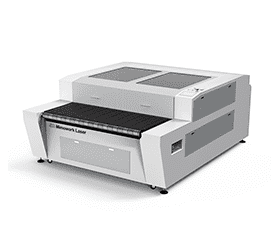
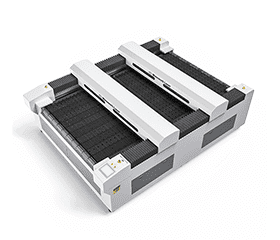
Witness the future of textile production with our fully automated fabric laser cutter. Featuring roll-to-roll processing, it delivers unparalleled efficiency and precision for mass production. The extendable table ensures a seamless workflow, while multiple table sizes and laser head configurations offer tailored solutions for your specific needs.
Denim Laser Cutting Guide | How to Cut Fabric with a Laser Cutter
Come to the video to learn the laser cutting guide for denim and jeans. So fast and flexible whether for customized design or mass production it is with the help of fabric laser cutter.
▶ Comparison with Other Fibers
| Property | Modal | Cotton | Lyocell | Polyester |
| Moisture Absorption | 11-13% | 8% | 12% | 0.4% |
| Dry Tenacity | 3.4-3.8 cN/dtex | 2.5-3.0 cN/dtex | 4.0-4.5 cN/dtex | 4.5-5.5 cN/dtex |
| Sustainability | High | Medium | Very High | Low |
After understanding the properties of different fibers, selecting the appropriate advanced cutting technology is key to fully unlocking the potential of fabrics.
Fabric Cutting Machine | CO2 Laser vs Scissor
Still struggling with the efficiency and precision of fabric cutting? This video compares traditional manual/mechanical cutting with CO₂ laser cutting. Conventional methods often suffer from slow speed, uneven edges, and fraying, while CO₂ laser cutting delivers fast, precise, and clean-edged results—especially suitable for complex patterns and various fabrics, helping you save costs, improve quality, and boost productivity.